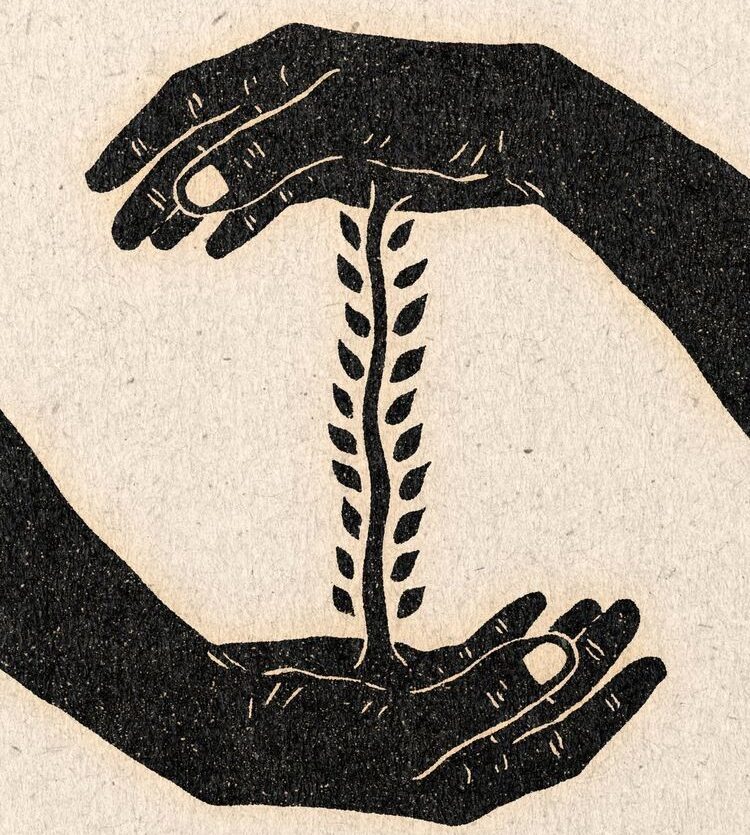
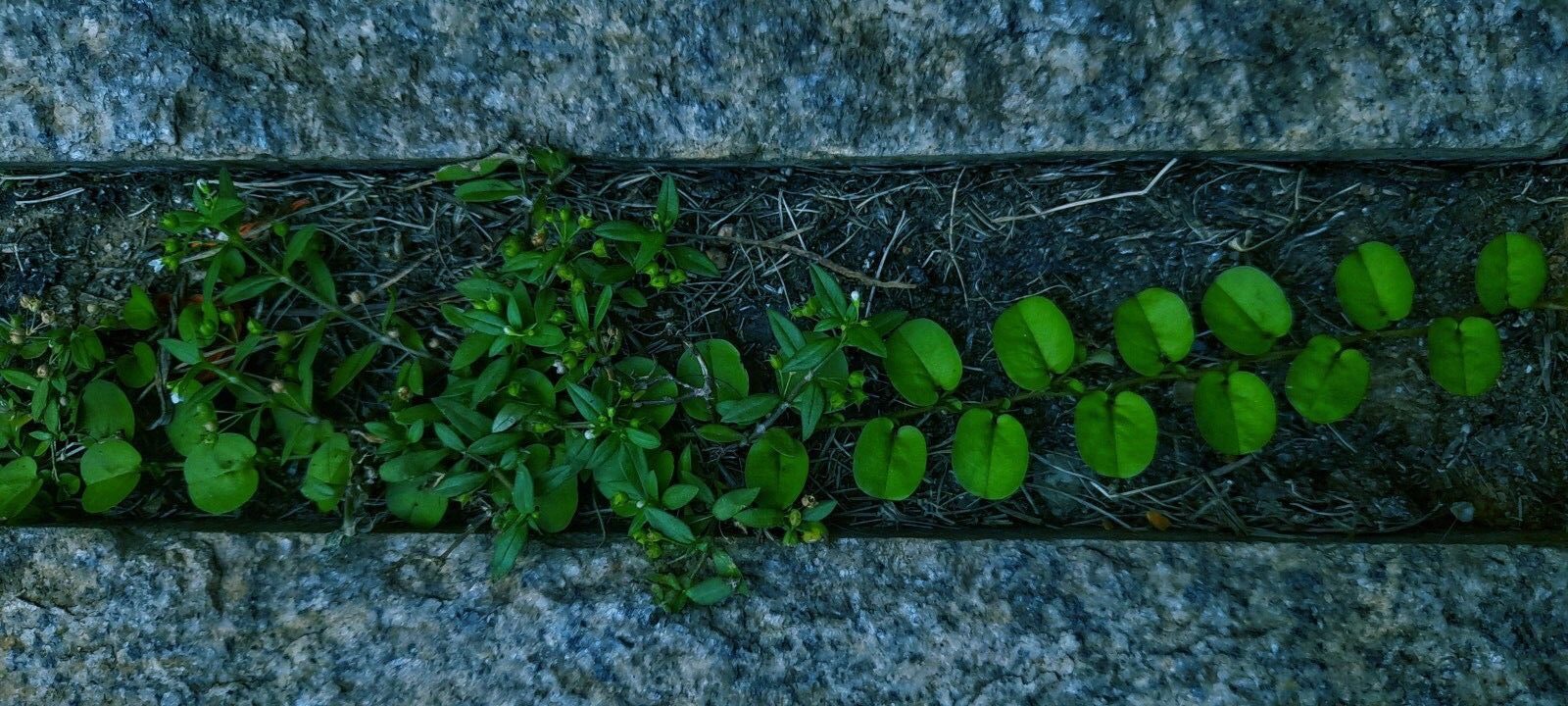
I took a course on Urban Political Ecology (UPE) from October to December of 2024, and I found it very illuminating. Urban Political Ecology is a field of study that focuses on exploring the production of cities as a part of global metabolic flows that link together capital, cultures, labour, technology, social relations, and more-than-human ecological processes. Having always lived in a big city, it gave me vocabulary to describe the relationships I have had with nature all my life.
One of the first things we were confronted with was the claim that:
There is nothing unnatural about Amsterdam.
At first, I had a gut feeling adamantly disagreeing with it. What could possibly be natural about a city as big and busy as Amsterdam? But throughout that first class the concepts under UPE taught me to see the city not as a break from nature, but as one of its many transformations.
━━━━━•°•°•❈•°•°•━━━━━
The typical understanding of a city is that they are entities distinct and absolutely separate from ‘nature’ and the ‘environment’. This myth that cities are concrete cages separate from the “natural world” is comforting. It gives us a story where a pure and wild nature is “out there”, while the city is here, chaotic and mechanical, demanding to be controlled. But UPE invites us to throw that binary out.
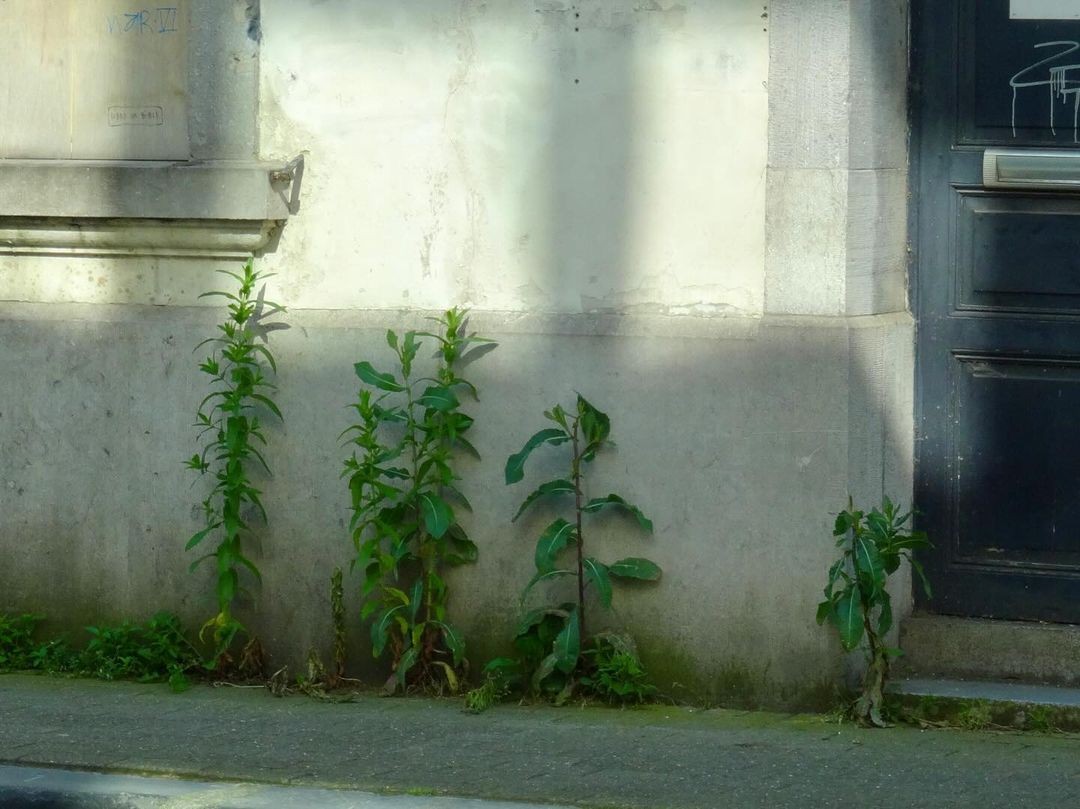
UPE argues that cities are like cyborgs: composite creatures made out of tangled knots, neither purely human-made nor purely nature. The steel that holds up our buildings was mined from ancient mountains. The water in our taps flows from dammed rivers, re-routed and chlorinated. The food on our plates carries the soil of faraway lands, flown in on jets powered by fossil-fueled fire. In fact, Amsterdam is built on top of swampy land, and has constructions sites constantly scattered around it, with the goal to prevent the city from sinking into itself.
Urban life is not the absence of nature, but the urbanization of nature, a process that reshapes rivers into reservoirs, land into lots, and sunlight into electrical grids. Cities are socio-environmental processes riddled with power and stitched together by inequality.
Even the green spaces we worship, like a park or the manicured lawn, are anything but natural. There is nothing innocent about the park. These are curated performances of nature, domesticated zones of retreat that conceal histories of dispossession, gentrification, and labour.
━━━━━•°•°•❈•°•°•━━━━━
To see the city through the lens of UPE is to ask questions like Whose labor turned this river into a pipe? Whose power decides where the flood waters go? Whose stories are erased when a park appears? Their answers show how the city is shaped by markets, empires, histories of extraction and accumulation. The city is built not just by architects and planners, but by aquifers, storm systems, and displaced communities. It is shaped by the people who mop floors at dawn, and the rats who thrive in subway systems.
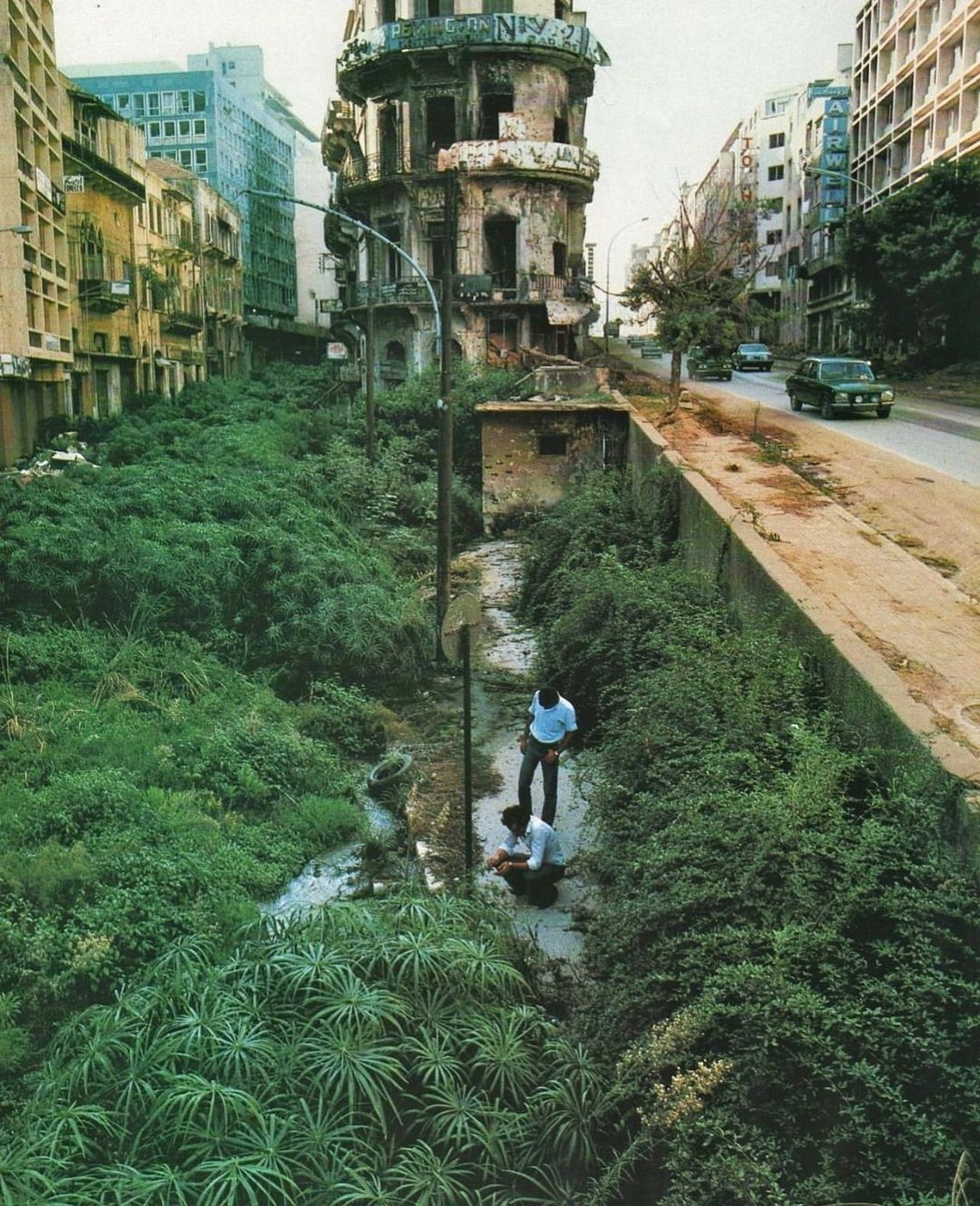
And in asking these questions, we begin to see that our urban futures cannot be built on illusions of separation. The climate crisis, after all, is already at the city’s door—rising in its seas, thickening in its air. It asks of us a new way of seeing: one that recognizes the city as part of the Earth’s trembling skin.
I find some kind of hope in the way UPE reimagines the city as a site of such complexity and possibility. It reminds me of how truly alive the city is, while also shedding light on how its future depends on how we learn to live with the messy, shared ecologies it shelters. And in its tangled flows of power, waste, love, and rain, something new might still grow.
Leave a Reply