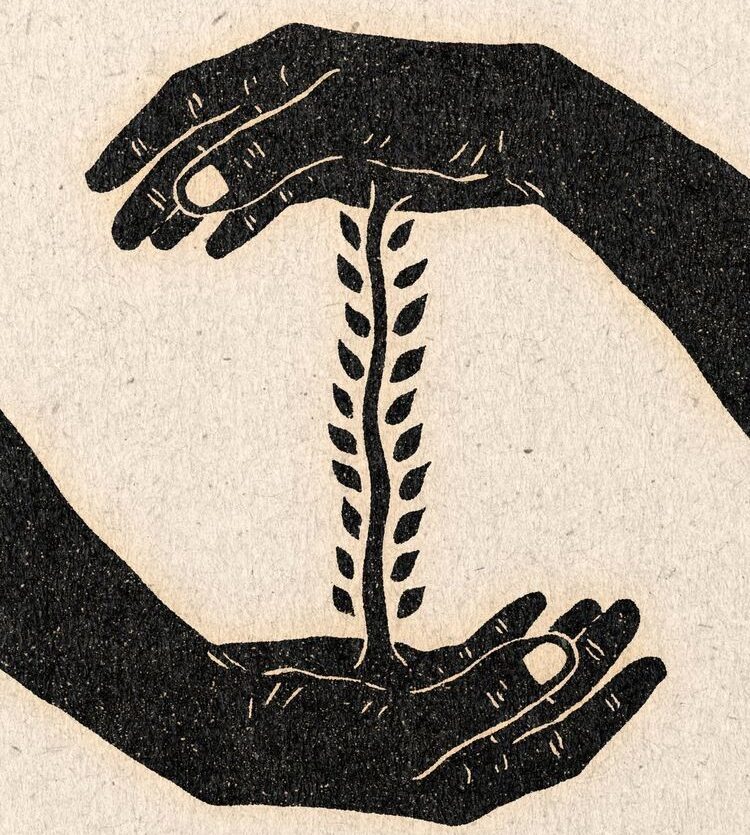
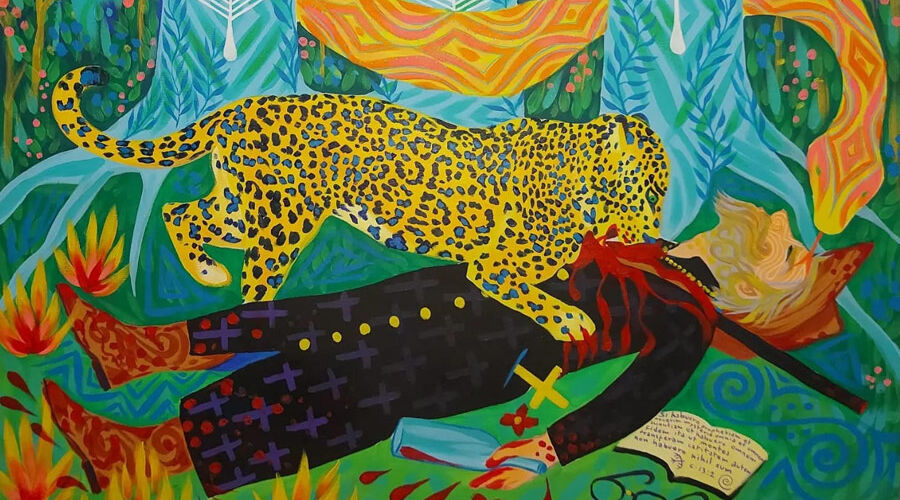
This book is tiny but mighty. I always cary it in my bag to read whenever I feel like procrastinating my thesis, or just in case I need some words of inspiration. Ailton Krenak, indigenous leader, environmentalist and writer, tells of the exploitation of nature following the perspective of Brazilian Indigenous peoples through three essays. Disclaimer: despite its name, Krenak does not offer concrete steps for us to take. Instead, it is an opportunity to reflect on the future we can still create. Here is a pdf!
One of the main challenges Krenak makes light of is the severed relationship we have with nature, seeing it as something separate from us. In case you already read some of the posts in this blog, this is not a new idea here. What I would like to delve deeper instead is what Krenak calls the “myth of sustainability”, invented by companies to maintain their rampant exploitation of Earth’s resources:
For a long time, we have been alienated from the organism to which we belong — the earth. So much so that we began to think of Earth and Humanity as two separate entities. I can’t see anything on Earth that is not Earth. Everything I can think of is a part of nature.
°❀⋆.ೃ࿔*:・
No company on this earth is sustainable, no matter what they say. But these companies and even whole sectors opportunistically appropriate the concept of sustainability for its marketing value. Corporate sustainability managers have become the sacerdotes of a new planetary order, selfrighteously preaching something their employers, by their very nature, can’t practice. And people are afraid to contest anything these sacerdotes say. But the fact is, it’s dishonest to use a term like sustainability when we’re on the verge of being expelled from Gaia (…) No community that is in debt to the land can call itself sustainable, because we take out more than we can put back in. Our deficit to Gaia is half an earth per year.
This is important criticism for the way the climate crisis is currently being handled. Fairtrade labels, carbon markets, electric cars, metal straws, reusable cups, reducing carbon footprints. These are all solutions being sold for us that do not challenge the consumerist demand that these companies profit off of. More than simply profit, it is the need for exponential growth that “burn up the earth’s energies just to feed their demand for merchandise, comfort, and consumption”.
Why bother being Greta Thunberg when you can be a consumer? It’s an idea that dispenses with the experience of living in a world full of meaning, on a platform for different cosmovisions.
Krenak invites us to imagine a new way of living that does not have humanity as the centre of everything. To be inspired by the way his people, the Krenak, thee the river that runs through their land ad a being part of the collective understanding of community. It is this lack of awareness of our connection with Earth, according to him, that allows the land to be seen as a resource to be exploited.
But how could this be achieved? Ailton Krenak answers: through dreaming! Through dreaming of a better world, we can form new traditions that lead us to a path towards the awareness of life and the application of this knowledge in our interaction with the world and other people.
━━━━━•°•°•❈•°•°•━━━━━
My favourite part of this book is what he says on the sensation of falling, as I can deeply relate to this. All my life there seems to be some crisis happening at all levels: personal, local, national, global. Every day a different crisis. On our talent for falling through these crisis, Krenak has these wonderful words
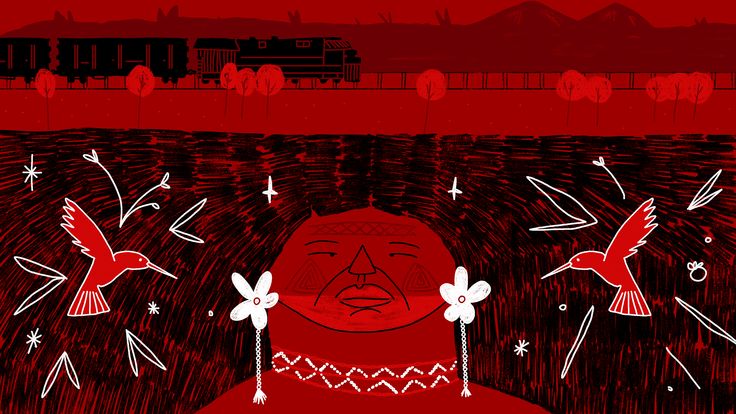
So we’ve got to stop trying to dodge our vocation for falling and, instead of spinning yet more parables, accept the basic truth and stop deluding ourselves with our technical wizardry. In fact, science is dogged end to end by this thing called technology.
Leave a Reply