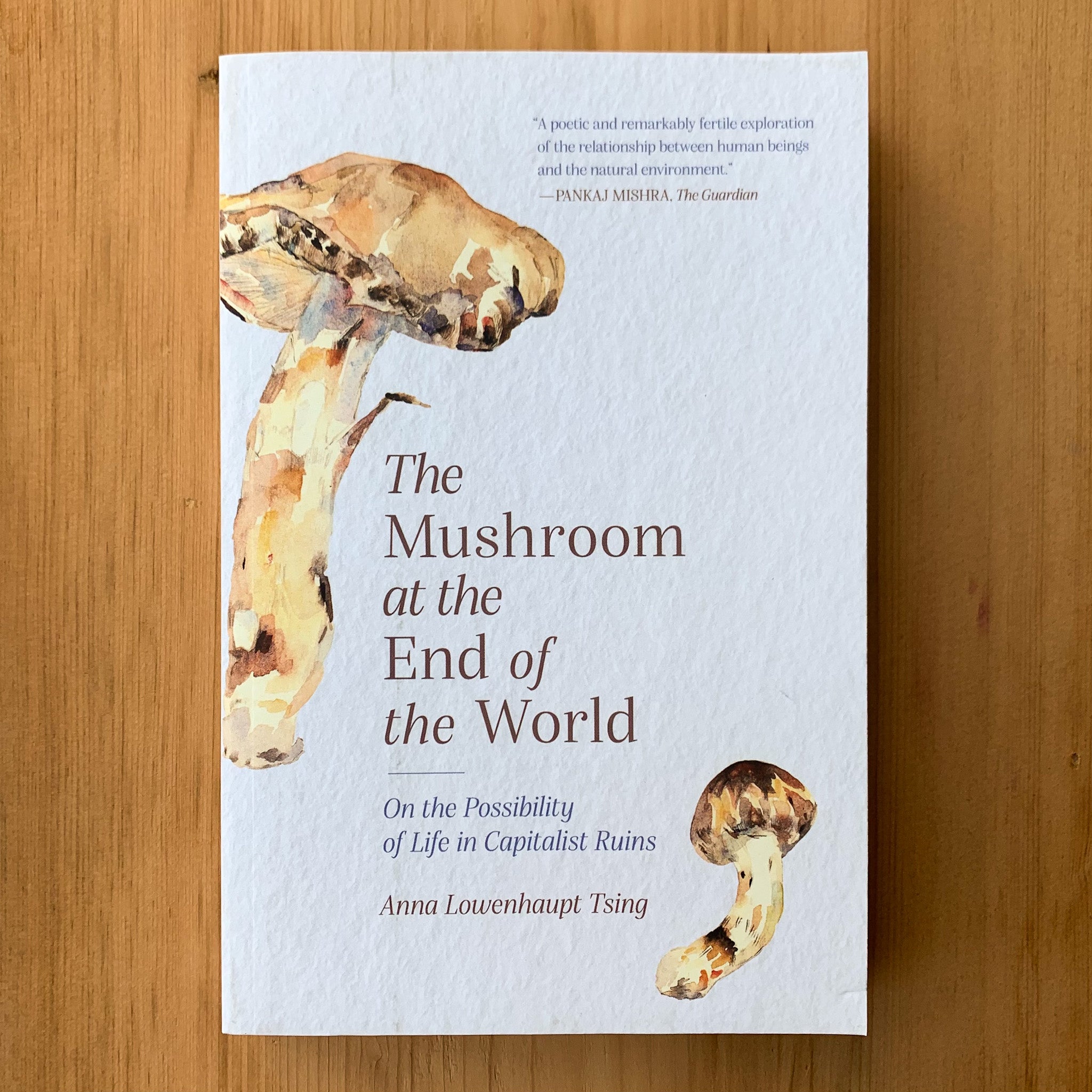
In a world fraying at its seams, where progress no longer points forward and the dream of endless growth has curdled into crisis, what kind of life still grows?
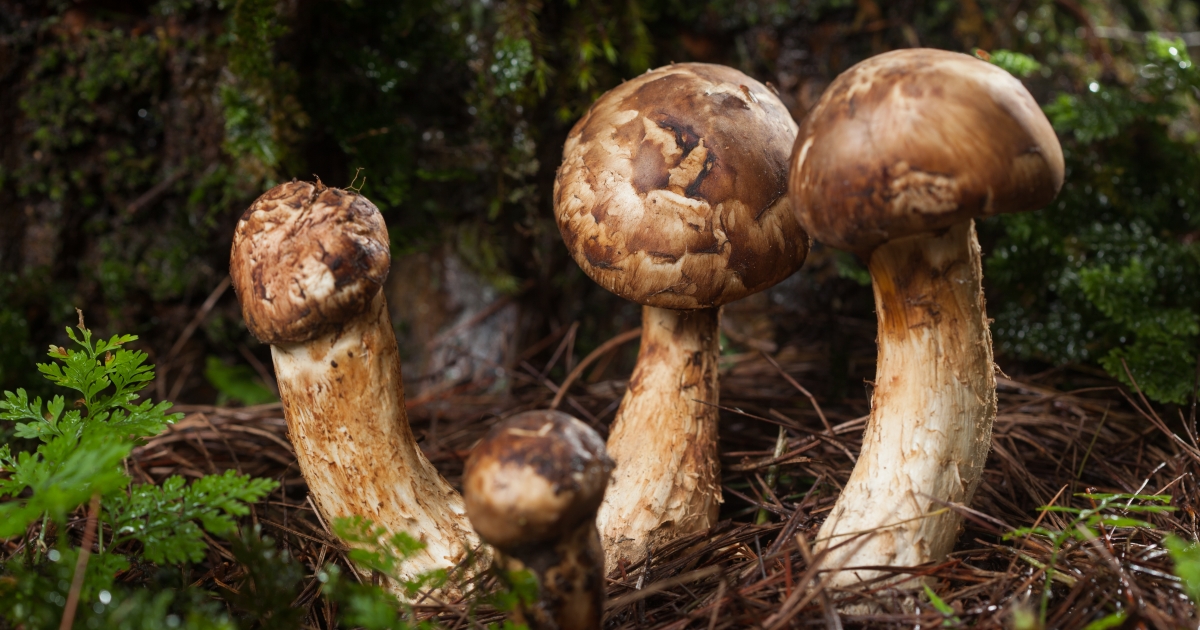
Anna Tsing’s Mushrooms at the End of the World begins with a strange, humble protagonist: the matsutake mushroom. Elusive, fragrant, and fiercely wild, matsutake cannot be domesticated. It grows only in disturbed forests, broken by logging, bombs, or abandonment. And yet, from this ruin, something vital emerges.
In the wake of capitalist devastation, we are taught to see only loss. But what if ruin is not the end? What if it’s the condition for new forms of coexistence that are messy, interdependent, and unplanned? This is what we learn by following the matsutake mushroom
To appreciate the patchy unpredictability associated with our current condition, we need to reopen our imaginations.
Matsutake flourish in pines forests that have been burned by humans: pines and fungi work together to take advantage of bright open spaces and exposed mineral soils. These beings, alongside humans, make living arrangements simultaneously for themselves and for others: multispecies worlds. After all, there is a culturally diverse supply chain link between matsutake pickers in the US with those who eat the mushrooms in Japan, marked by migrant labour, precarity, interspecies alliances, and unexpected economies.
What is survival? Staying alive—for every species—requires liveable collaborations. Collaboration means working across difference, which leads to contamination. Without collaborations, we all die
In the confusion and chaos that the climate crisis and political landscape instil on us, the story of the matsutake offers a way to imagine survival as other than the advancement of individual interests. Thinking through this lens makes us self-contained and ignore the encounters necessary with other beings (either humans, animals or plants). Self-contained individuals are not transformed by encounter, and don’t need to notice what exists around them.
━━━━━•°•°•❈•°•°•━━━━━
The matsutake becomes a guide to noticing. It teaches us to attune to what survives without control, what thrives without guarantees. Tsing calls this the “arts of living on a damaged planet.” It is a practice of being-with, of making do, of finding value not in domination but in encounter.
Precarity is a state of acknowledgment of our vulnerability to others. In order to survive, we need help, and help is always the service of another, with or without intent.
Mushrooms at the End of the World is not a handbook. It is a spell. A loosening of our grip on mastery. A gentle unfolding of a new kind of attention.
And perhaps that is what we need now: not blueprints, but companions. Not salvation, but stories. Not control, but curiosity.
If the Anthropocene has taught us anything, it is that we are no longer in charge. But we are still here.
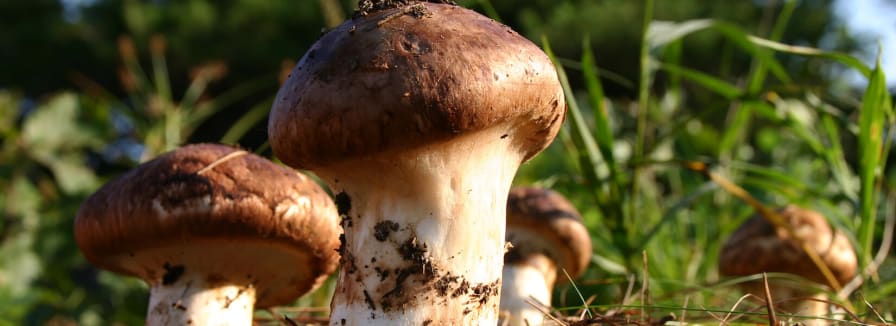
In the ruins of what was, the matsutake mushroom remind us not all is lost.
Leave a Reply