“To live well and not better — in harmony, not competition.”
━━━━━•°•°•❈•°•°•━━━━━
In April 2010, representatives from 140 countries gathered under the Bolivian sun to dream of a new status quo. This was the World People’s Conference on Climate Change, where the People’s Agreement of Cochabamba was made: a manifesto, a call to conscience, a blueprint for life beyond capitalism. It offers a wonderful framework to judge current global actions being taken to mitigate climate change, and also to imagine better alternatives to it.
The People’s Agreement proclaimed that climate change is an environmental crisis just as much as it is a crisis of civilization. That we cannot heal the planet without transforming the systems that wounded her: colonialism, extractivism, patriarchy, and endless economic growth.
At a time where climate conferences are riddled with talks of carbon metrics and GDP growth, the People’s Agreement speaks of Mother Earth as a living being instead of a resource. It calls out the capitalist system for promoting a logic of competition and limitless growth that is unsustainable and morally reprehensible:

Under capitalism, Mother Earth is converted into a source of raw materials, and human beings into consumers and a means of production, into people that are seen as valuable only for what they own, and not for what they are.
Interestingly, it openly condemns market mechanisms such as REDD+, the topic of my Bachelor’s thesis. These threaten to turn forests into financial assets and Indigenous lands into emission permits for the Global North. On carbon markets, the Agreement states
The carbon market has become a lucrative business, commodifying our Mother Earth. It is therefore not an alternative for tackle climate change, as it loots and ravages the land, water, and even life itself.
Instead of allowing polluters to buy their way out of responsibility, the Agreement demanded:
- Climate debt be repaid by those who caused it.
- Technology and resources be shared, not patented.
- Ecological reparations for the frontline communities who protect life itself
━━━━━•°•°•❈•°•°•━━━━━
But the People’s Agreement of Cochabamba is not just a critique, and against the dominant logic of commodification, it offered something radical and old: to live well.
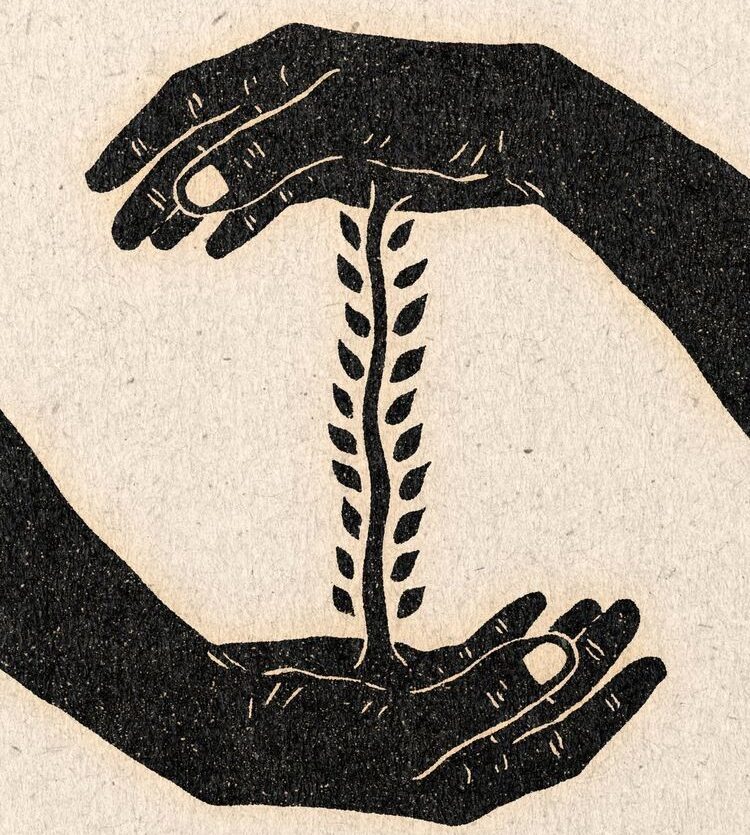
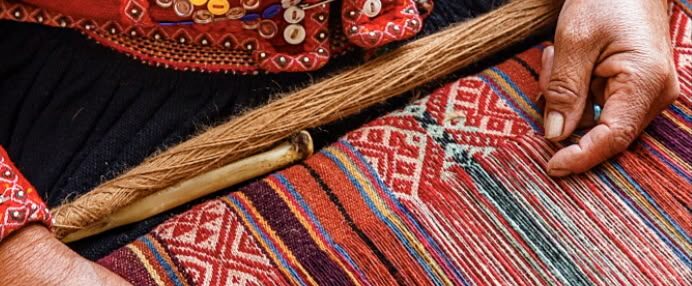
Buen vivír is an ideology rooted in Andean and Amazonian worldviews, and it invites us to embrace balance, reciprocity, community, and dignity — reminding us that well-being is collective, not competitive — and that no one thrives if the Earth suffers.
To face climate change, we must recognize Mother Earth as the source of life and forge a new system based on the principles of:
- harmony and balance among all and with all things;
- complementarity, solidarity, and equality;
- collective well-being and the satisfaction of the basic necessities of all;
- people in harmony with nature;
- recognition of human beings for what they are, not what they own;
- elimination of all forms of colonialism, imperialism and interventionism;
- peace among the peoples and with Mother Earth;
Some of its demands inspired by this paradigm are:
- A Universal Declaration of the Rights of Mother Earth, where rivers have standing and forests have voice.
- A World Tribunal for Climate Justice, where communities, not corporations, get the final say.
- A world of food sovereignty, Indigenous autonomy, solidarity economies, and living democracies.
━━━━━•°•°•❈•°•°•━━━━━

Fifteen years later, as climate talks continue to stall, and carbon markets flourish while forests burn, the People’s Agreement reminds me that we are not lacking solutions, we just lack the courage to choose them. A global system that is so fundamentally different from the one we have today seems like an utopia to me, and it is hard to dare to imagine something different.
The Cochabamba People’s Agreement creates a vision for the future that would not only safeguard nature, but imagine a world under a different paradigm of thinking and being. It sparks new ideas on how to decolonize sustainability and create a more socially just and ecologically safe world.
However, reading the words that came from Cochabamba gives me a little more courage to imagine a global community, fuelled by Indigenous wisdom and aimed at toward a future where life is sacred, not priced. I highly recommend reading it if you have the slightest of interest in climate change and climate policy.

Leave a Reply to Tiago Oliveira Cancel reply